Zoo or No Zoo? The Surprisingly Spicy Debate Over Who's Really Saving the Pandas
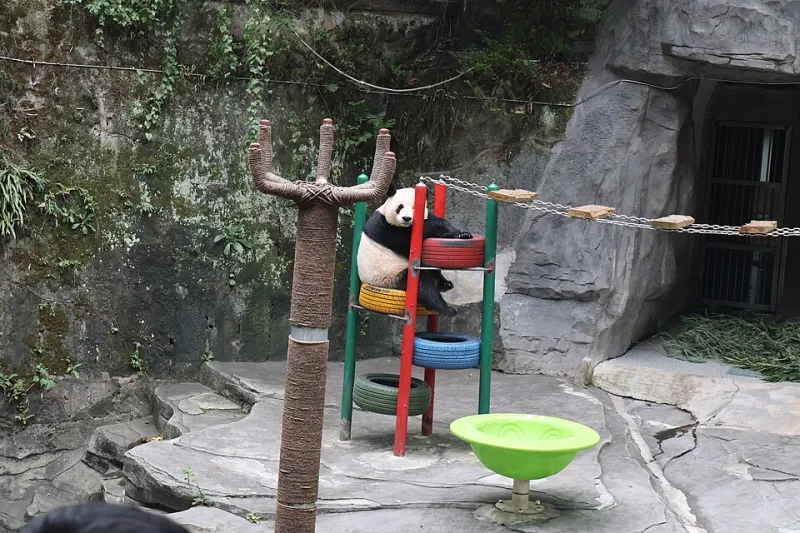
Photo: TarnishedPath, CC BY-SA 4.0, via Wikimedia Commons
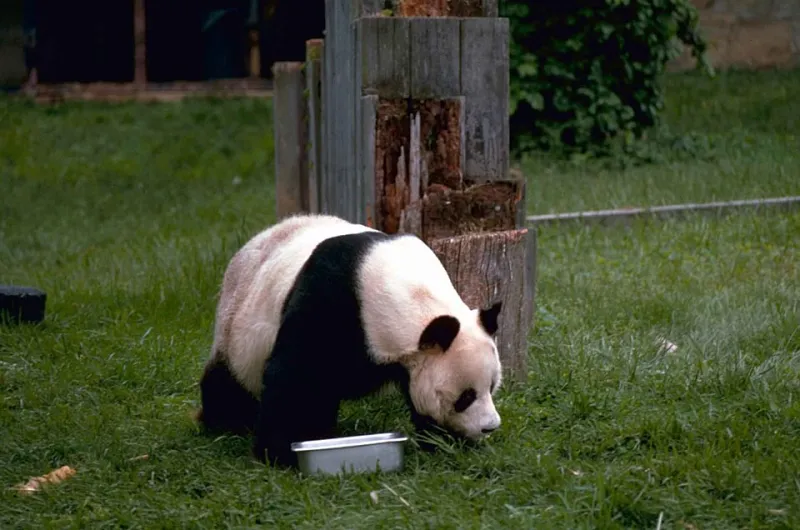
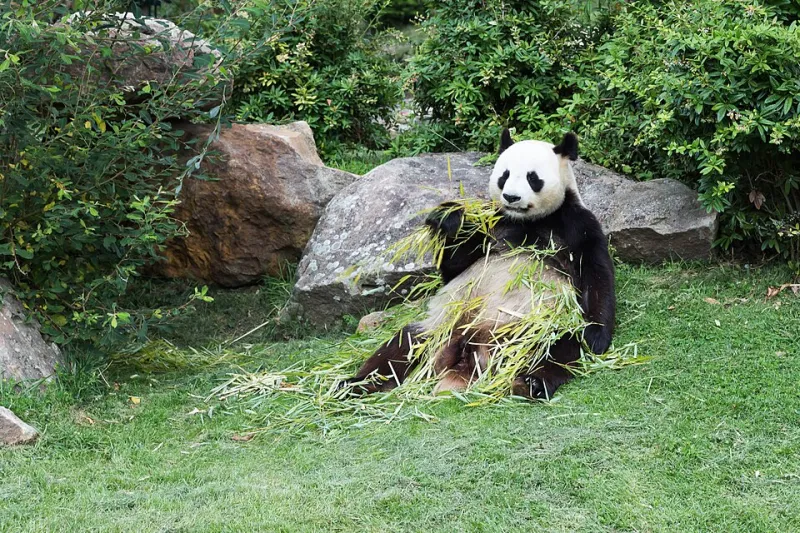
Walk into the giant panda exhibit at the Smithsonian's National Zoo on a Tuesday afternoon and you will witness something remarkable: hundreds of adults, many of whom couldn't name their state senator, completely losing their minds over a large bear eating bamboo. There are gasps. There are tears. There are people holding their phones aloft like they're at a concert, desperately trying to capture footage of an animal that is, objectively speaking, just sitting there chewing.
Pandas do something to people. We've covered this. It's science.
But behind the collective meltdown happening in front of the panda enclosure, a genuinely heated debate has been simmering in the wildlife conservation world for decades — one that doesn't have an easy answer, and one that matters a lot more than most zoo visitors realize. The question: are American zoos actually helping giant pandas survive as a species, or are they elaborate, expensive feel-good machines that let us off the hook for the harder work of real conservation?
Buckle up, panda fans. This one gets a little spicy.
The Case for Zoos: More Than Just Cute Enclosures
Let's start with the pro-zoo argument, because it's substantial and it deserves a fair hearing.
The giant panda population has genuinely grown over the past several decades, moving from "endangered" to "vulnerable" on the IUCN Red List in 2016 — a reclassification that conservation scientists widely attributed to a combination of habitat protection in China and successful captive breeding programs. Those breeding programs didn't happen in isolation. Major American zoos, including the Smithsonian, the San Diego Zoo, and Zoo Atlanta, have been active participants in panda research, contributing veterinary expertise, reproductive science, and funding to the broader international effort.
"The public education component is not trivial," says one zoo conservation director we spoke with, who asked to remain unnamed because apparently panda politics are real. "When a family from suburban Ohio comes to see a panda and their kid goes home genuinely upset about habitat loss, that's a future donor, a future voter, a future advocate. You can't manufacture that kind of connection through a documentary."
The numbers back this up to a degree. Zoos with panda exhibits consistently report spikes in conservation donation revenue. Zoo Atlanta's panda program, for instance, has generated millions in contributions earmarked for wild panda habitat preservation. The San Diego Zoo Wildlife Alliance funds field research in China directly, with staff scientists working alongside Chinese researchers on habitat corridor projects.
So the zoos aren't just keeping pandas alive in comfortable enclosures. At their best, they're functioning as conservation funding engines, research partners, and public engagement platforms all at once.
The Case Against: Ethical Complexity and Expensive Optics
Here's where it gets uncomfortable.
Critics — including a vocal contingent of animal welfare advocates and some conservation scientists — argue that the zoo model, however well-intentioned, is built on a foundation of ethical compromises that can't simply be hand-waved away with donation statistics.
First, the logistics of keeping giant pandas in American zoos are genuinely staggering. Pandas are notoriously difficult to maintain in captivity. They require highly specialized diets, carefully controlled environments, and extraordinary veterinary care. The cost of housing a single giant panda in a US zoo runs into the millions annually, a figure that includes not just care costs but the substantial "loan fees" paid to the Chinese government, which technically owns all giant pandas worldwide.
"You have to ask the question honestly," says one wildlife advocate affiliated with a national animal welfare organization. "Could those same millions of dollars, deployed directly into habitat protection in Sichuan, do more for panda survival than maintaining two bears in a climate-controlled enclosure in Atlanta? That's not a rhetorical question. It's a real resource allocation problem."
There's also the question of what captivity actually does to giant pandas behaviorally and psychologically. While modern zoo enclosures have improved dramatically from the concrete pits of earlier decades, critics argue that no enclosure — however enriched and spacious — can replicate the complexity of a panda's natural habitat and behavioral range. Captive pandas, they note, often display repetitive behaviors that suggest stress or boredom, even in well-designed facilities.
The Greenwashing Problem (Yes, Again)
Another critique gaining traction among conservation researchers is the "warm glow" problem — the idea that zoo visits create a false sense of conservation participation that actually reduces engagement with more meaningful action.
If a family pays $35 a head to see Mei Xiang at the National Zoo and leaves feeling like they've "done their part" for pandas, are they less likely to donate to a habitat preservation fund, contact their congressional representative about international conservation funding, or reduce behaviors that contribute to the climate pressures threatening panda habitats? The research on this is genuinely mixed, but the concern is legitimate enough that several conservation scientists have started pushing zoos to be more explicit about the gap between zoo visits and meaningful conservation impact.
To their credit, many major US zoos have heard this criticism and responded. The Smithsonian's panda program now includes prominent messaging about the limitations of captive conservation and actively directs visitors toward wild habitat support. Zoo Atlanta has restructured some of its panda-related fundraising to emphasize field programs over facility improvements. These are real changes, even if critics argue they don't go far enough.
So What Should You Actually Do?
Here's the honest answer: there isn't one.
The zoo debate doesn't resolve neatly because the underlying tension — between the genuine conservation value of public engagement and the ethical and resource costs of captive wildlife programs — is real and ongoing. Smart, well-intentioned people land on different sides of it, and anyone who tells you it's simple probably hasn't looked at it very hard.
What we'd suggest, as your friendly neighborhood panda enthusiasts, is this: go to the zoo if you want to. Experience the genuine, soul-rearranging joy of seeing a giant panda in person. Let your kids lose their minds. Let yourself lose your mind. It's worth it.
But then go home and do a little more. Look up the zoo's conservation programs and see how they actually spend their money. Consider a direct donation to a field conservation organization working in panda habitat. Read about China's protected nature reserves and the ongoing challenges they face. Follow researchers who study wild pandas and share their work.
The pandas need the zoos. The zoos need your support. But the bamboo forests need something too — and that something is people who care enough to look beyond the enclosure.
We're rooting for the bears. All of them. In every habitat. 🐼