From Runways to Bamboo Groves: The Fashion Industry's Panda Problem (And Why We're Kind of Here For It)
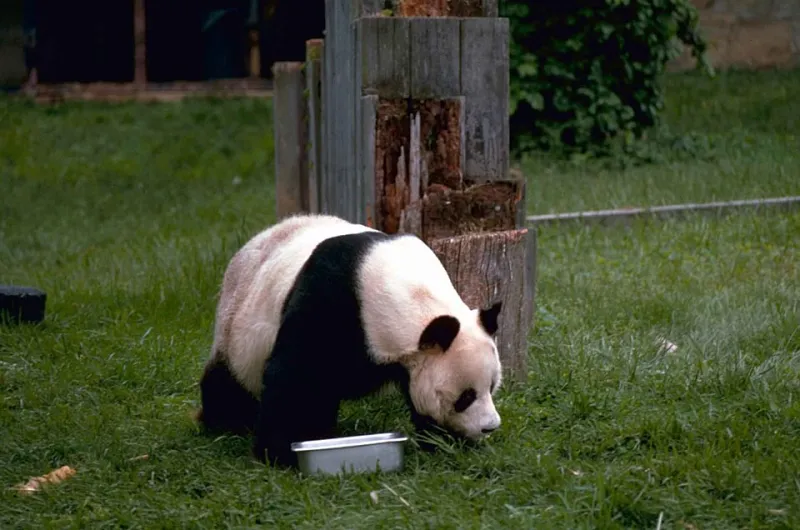
Photo: Stolz Gary M, U.S. Fish and Wildlife Service, Public domain, via Wikimedia Commons
Let's be honest: nobody asked for a $400 panda-print tote bag. And yet, here we are, wallets open, hearts fully surrendered. Giant pandas have somehow clawed their way from the bamboo forests of Sichuan Province straight onto the catwalks of New York and Los Angeles — and the fashion industry is absolutely eating it up with a bamboo spoon.
But behind all the adorable black-and-white prints and limited-edition drops, there's a genuinely complicated question worth asking: when Gucci collaborates with a conservation nonprofit or a streetwear brand drops a panda capsule collection, does any of that money — or attention — actually land where it matters? Or are we all just buying overpriced merch and calling ourselves conservationists?
Spoiler: it's complicated. But also kind of fascinating. Pull up a chair. We're going in.
The Panda as Fashion Icon: A Brief, Ridiculous History
Pandas didn't just stumble into the fashion world by accident. They were basically drafted. The World Wildlife Fund adopted the giant panda as its logo back in 1961, and that single design decision did more for panda brand awareness than any marketing campaign could have dreamed. Black and white. Simple. Impossibly cute. The panda became shorthand for "endangered species you should care about" — and fashion brands noticed.
Fast-forward to the 2010s and 2020s, and panda imagery is everywhere in American retail culture. From Forever 21 graphic tees to high-end luxury accessories, the panda print has become one of the most commercially durable motifs in the game. It transcends age demographics, works across gender lines, and — crucially — carries an emotional weight that most animal prints simply don't. Nobody feels morally complicated about buying a cheetah-print skirt. A panda-print hoodie, though? That one comes with feelings.
The Collabs That Are Actually Doing Something
Not every brand riding the panda wave is doing so cynically. Some partnerships have produced genuinely meaningful results, and it's worth giving credit where it's due.
The San Diego Zoo Wildlife Alliance has been one of the savvier institutional players here, partnering with consumer brands and licensing panda imagery in ways that funnel real dollars back into field conservation programs in China. When those partnerships are structured with transparent revenue-sharing agreements — meaning a clear, auditable percentage of sales goes directly to conservation — they can actually move the needle.
Similarly, smaller American streetwear brands like Panda Friends (yes, that's a real brand, and yes, they are extremely earnest about it) have built their entire identity around panda welfare, donating portions of every sale to the Giant Panda Global Fund. It's not glamorous. There's no celebrity ambassador. But the money goes somewhere real.
The key differentiator, according to wildlife funding researchers, is specificity. Vague promises like "we support panda conservation" are essentially meaningless. Concrete commitments — "five percent of net proceeds from this collection go to habitat restoration in Qinling" — are what separate the signal from the noise.
Greenwashing in Panda Clothing: Yes, It's a Thing
Here's where we put on our slightly more serious hats for a moment, because this part matters.
Greenwashing — the practice of marketing products as environmentally or ethically beneficial without meaningful substance behind the claim — is rampant in fashion, and panda-themed merchandise is not immune. In fact, the emotional resonance of panda imagery makes it particularly vulnerable to exploitation.
A major fast-fashion retailer dropping a panda collection with zero charitable component, no supply chain transparency, and a manufacturing process that contributes to the deforestation threatening actual panda habitats? That's not conservation. That's a vibe. And it's a vibe that can actively crowd out more meaningful engagement by making consumers feel like they've already "done their part."
The rule of thumb we'd suggest: if a brand can't tell you exactly which organization receives funds, how much, and what that organization does with the money — keep your wallet in your pocket. Cute pandas deserve better than a press release.
Celebrity Culture and the Panda Moment
Celebrities have been reliably panda-obsessed for years, and their influence on conservation funding is genuinely not nothing. When high-profile figures visit pandas at the Smithsonian's National Zoo or the Atlanta Zoo and post about it to their millions of followers, zoo attendance spikes. Donations tick upward. Awareness — that slippery, hard-to-quantify metric — grows.
Some celebrities have gone further than the casual zoo selfie. Partnerships between conservation organizations and entertainers with large Gen Z followings have proven particularly effective at translating online engagement into actual funding. The trick is authenticity. American audiences, especially younger ones, have finely tuned radar for performative activism, and a celebrity panda post that feels like a paid placement tends to backfire spectacularly.
The collabs that work are the ones that feel like they emerged from genuine affection — which, honestly, isn't hard when pandas are involved. Have you seen a panda sneeze? Nobody is faking that reaction.
So Should You Buy the Panda Stuff?
Here's our totally biased, completely on-brand take: yes, absolutely, buy the panda stuff — but buy it smart.
Before you add that panda-embroidered jacket to your cart, spend thirty seconds checking whether the brand has a stated conservation partnership. Look for specificity. Look for third-party verification. Look for brands that name the organizations they support and let you see where the money goes.
And if you want to cut out the middleman entirely? Donate directly to organizations like the WWF's Giant Panda program, the Chengdu Research Base of Giant Panda Breeding's international support fund, or your local zoo's panda conservation initiative. You won't get a cute jacket. But you'll get the genuine satisfaction of knowing that somewhere in Sichuan Province, a very chunky bear is having a slightly better day because of you.
Fashion and conservation make for strange bedfellows. But when the partnership is honest, transparent, and built on something more than vibes? It's actually kind of beautiful. Just like the pandas themselves.
Now if you'll excuse us, we need to go look at panda videos for "research purposes." 🐼