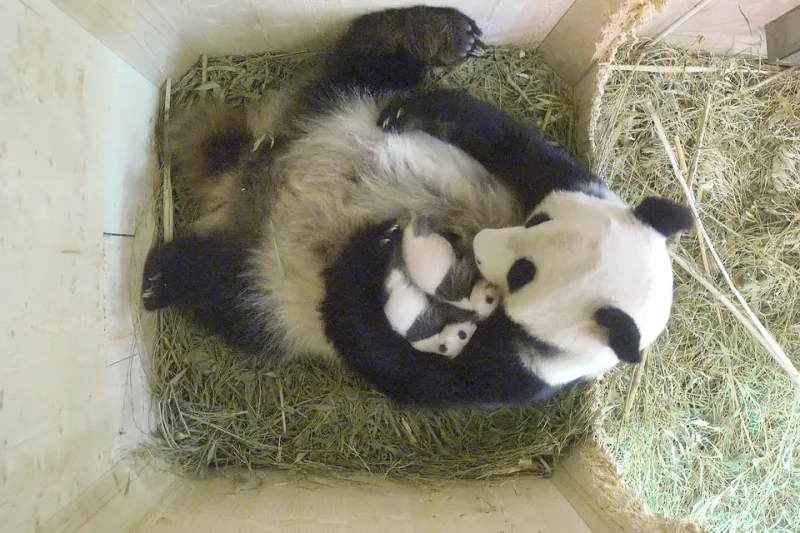
Crunch, Munch, Repeat: The Wildly Satisfying World of Panda Eating Videos Taking Over the Internet
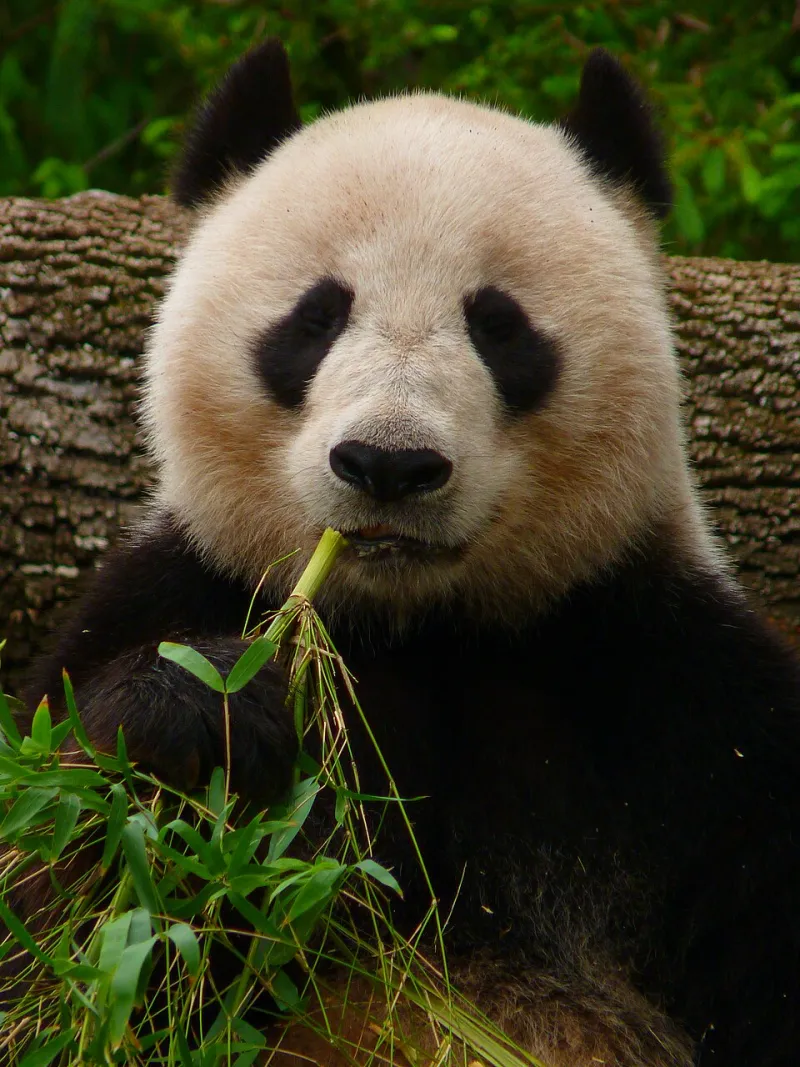
Photo: Manyman, CC BY-SA 3.0, via Wikimedia Commons
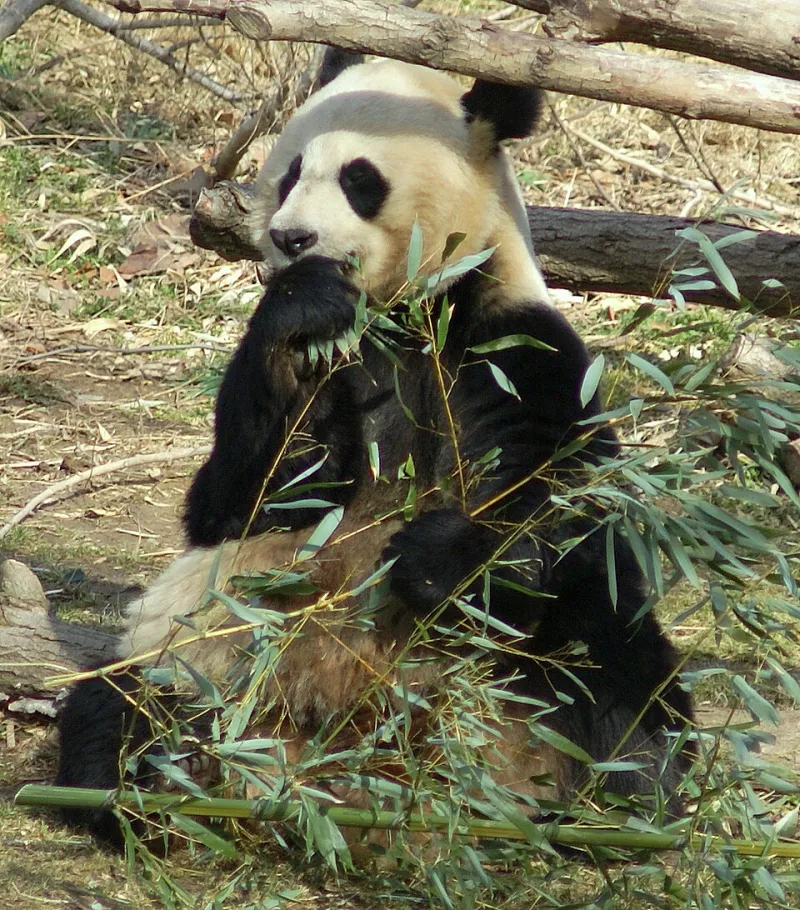
Let's set the scene. It's 11:47 PM on a Tuesday. You have work tomorrow. You have responsibilities, a half-finished glass of water on your nightstand, and at least three texts you forgot to respond to. And yet, here you are — phone inches from your face, watching a 400-pound panda named Fu Bao demolish a stalk of bamboo with the focused energy of someone who has never once worried about anything ever.
You are not alone. You are, in fact, one of tens of millions.
The panda eating video has become one of the internet's most quietly dominant content categories, spawning dedicated YouTube channels, TikTok accounts with follower counts that would make influencers weep, and an entire ASMR subculture built entirely around the glorious, crunchy, rhythmic sound of a giant panda having the meal of its life.
So what exactly is going on here? Why does watching a bear eat make us feel like everything is going to be okay?
The Mukbang-to-Panda Pipeline Is Very Real
Mukbang — the Korean internet trend of watching someone eat large quantities of food on camera — exploded in the US around 2018 and never really left. But somewhere along the way, people started applying that same logic to animals, and nobody benefited more from that pivot than pandas.
Unlike human mukbang creators who might be tackling a mountain of spicy ramen or a family-sized bucket of fried chicken, pandas bring their own very specific energy to the format. They're unhurried. They're chunky. They sit in positions that no creature of their size should be able to achieve, clutching bamboo like it's a corn dog at a state fair, and they eat with a kind of meditative commitment that is genuinely awe-inspiring.
Channels like iPanda — the official YouTube channel of China's giant panda conservation centers — have racked up hundreds of millions of views on eating content alone. Their videos rarely have elaborate editing or dramatic music. It's just pandas. Eating. And the comments section reads like a group therapy session where the therapy is watching bears consume vegetation.
"I've watched this 47 times and I feel nothing but peace," reads one top comment on a video of a panda named He Hua eating a carrot cake shaped like a snowman. Another: "My therapist charges $200 an hour. This is free. Pandas win."
The ASMR Corner of Panda Content Is Its Own Universe
If regular panda eating videos are a warm hug, panda ASMR content is that hug with a weighted blanket, a scented candle, and someone gently telling you that you're doing great.
ASMR — Autonomous Sensory Meridian Response — refers to that tingly, relaxing sensation some people experience in response to specific sounds: whispering, tapping, crinkling, and yes, the very specific crunch of a giant panda biting through thick bamboo. Content creators have leaned hard into this, uploading high-quality audio recordings of pandas munching, slurping water, and rustling through hay, often with zero commentary and just the ambient sounds of the enclosure.
On TikTok, the hashtag #PandaASMR has accumulated hundreds of millions of views. Some of the most-watched clips are deceptively simple: a close-up shot, clean audio, a panda named something like Xiao Qi Ji working through a pile of bamboo shoots like he's got nowhere to be and no regrets about it.
US-based ASMR creators have taken notice too. Several popular ASMRtists have incorporated panda content into their channels, either reacting to footage or building entire themed videos around panda soundscapes. The crossover audience — people who love ASMR and people who love pandas — turns out to be enormous and extremely enthusiastic.
The Psychology of Why This Works (No, You're Not Weird)
Okay, let's talk about the brain stuff, because there's actually solid reasoning behind why panda eating content is so stupidly effective at calming people down.
First, there's the concept of baby schema — a term coined by ethologist Konrad Lorenz to describe the set of physical features (big eyes, round faces, chubby cheeks) that trigger caregiving instincts in humans. Pandas are essentially walking, bamboo-chewing baby schema machines. Their faces are built to make you feel protective and warm, which means your nervous system is already primed for comfort before they even take a bite.
Then add the repetitive, rhythmic sound of chewing — which research has linked to reduced cortisol levels and increased feelings of calm — and you've got a formula that basically bypasses your prefrontal cortex and goes straight to the part of your brain that just wants to feel okay.
Dr. Cynthia Willey, a behavioral psychologist based in Chicago who has written about parasocial relationships with animals, put it plainly in a 2023 interview: "Watching animals eat in a calm, uninterrupted way signals safety to us. There's no threat. There's no urgency. It's pure, uncomplicated existence. And right now, people are desperately hungry for that."
Pandas, bless them, are extremely good at uncomplicated existence.
The Channels and Creators You Should Already Be Following
If you're new to this corner of the internet (welcome, grab a snack), here's your starter pack:
iPanda is the undisputed heavyweight. Run by China Central Television and the China Conservation and Research Center for the Giant Panda, this channel is a near-endless archive of panda content, with eating videos that range from solo snack sessions to full panda family dinner chaos.
Smithsonian's National Zoo (Washington, D.C.) has been delivering panda content for years, and with their giant panda program back in action after a brief hiatus, their social channels are must-follows for US-based fans who want to feel a sense of local panda pride.
Panda & Friends on TikTok has built a loyal American following by mixing eating clips with comedic captions that anthropomorphize the pandas in deeply relatable ways. A panda refusing to eat the vegetables placed next to its bamboo? Caption: "Me ignoring the salad I made myself." It works every time.
A Subculture With Its Own Rules
What's particularly fascinating is that the panda eating video community has developed its own culture, complete with inside jokes, fan-given nicknames for recurring pandas, and a surprisingly passionate discourse about which bamboo species looks most satisfying to watch a panda eat (the consensus, if comment sections are to be believed, leans toward moso bamboo).
Facebook groups with names like "Panda Eating Club" and Reddit communities dedicated to panda content regularly hit the front page when particularly good eating footage surfaces. There are fan-edited compilations set to lo-fi music. There are tier lists ranking panda eating styles. Someone, somewhere, has made a bracket tournament of their favorite panda snack moments.
This is not a casual interest. This is a lifestyle.
The Bottom Line
The internet has given us a lot of things — some good, some deeply questionable. Panda eating videos fall firmly, irrevocably into the good column. They're free, they're calming, they're wholesome in a way that feels increasingly rare, and they feature some of the most charismatic eaters on the planet doing what they do best.
So the next time someone asks why you've watched a panda eat bamboo for forty-five uninterrupted minutes, you can tell them it's science. It's psychology. It's a deeply human response to a chaotic world.
Or you can just hand them your phone and let them find out for themselves. They'll understand in about thirty seconds.